Wildlife trafficking · Release method

Parrot Soft Release

How soft release works for rescued parrots and macaws, and why confiscated birds need flight conditioning, flocking and post-release support.

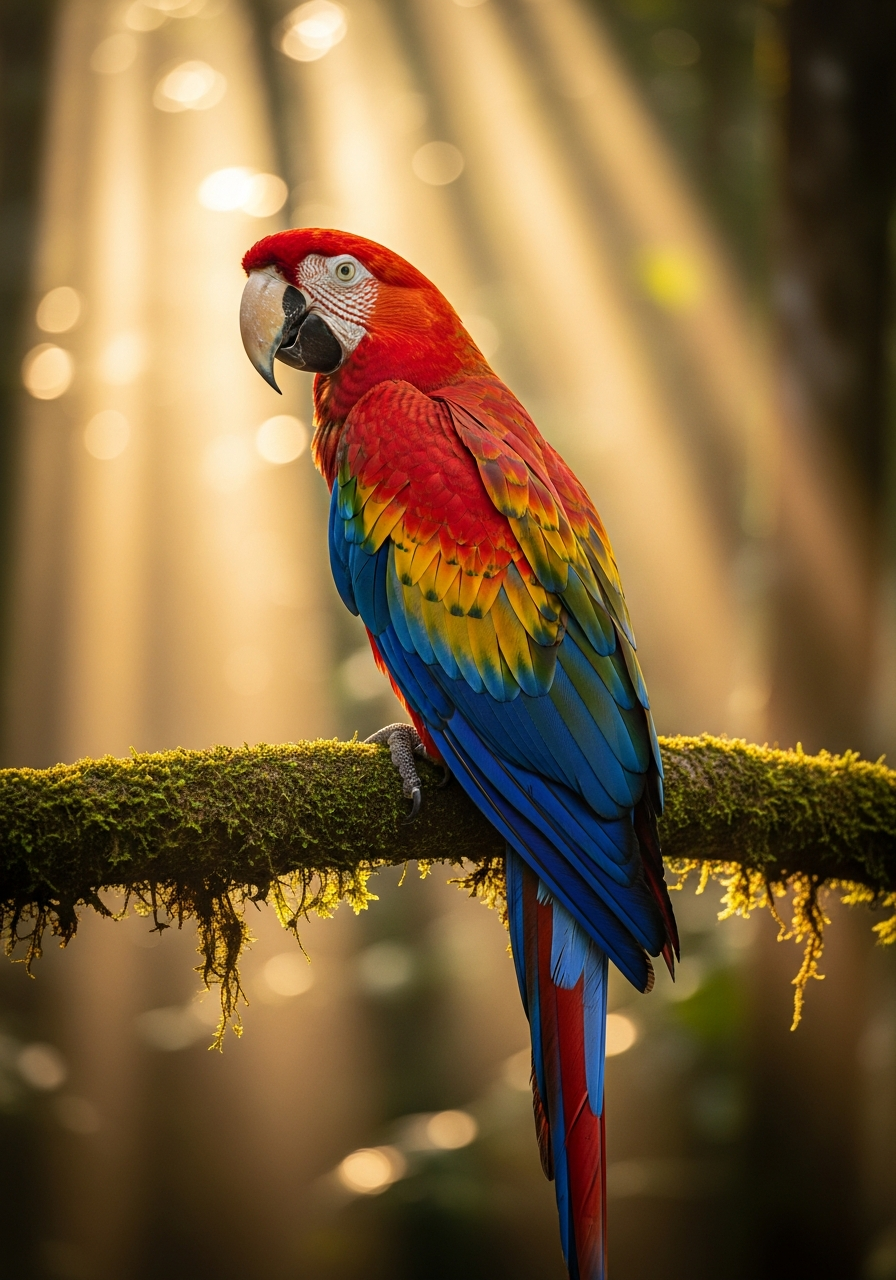
Rescued parrots preparing for release from a rehabilitation aviary

In brief

Parrot soft release is a gradual return to the wild where rescued birds rebuild flight, social and foraging skills before release with monitoring and temporary support.

Quarantine

First rescue step

Flight

Core release skill

Flock

Social learning need

CITES

Trade controls

Guide 1

Why Soft Release Matters for Parrots

Parrots rescued from trafficking may be dehydrated, injured, stressed, clipped or imprinted on humans. A direct release can fail if the bird cannot fly strongly, find food, avoid people or integrate into a flock. Soft release reduces that risk by rebuilding survival skills step by step.

Guide 2

What Happens Before Release

Birds usually move from intake and quarantine to flight aviaries where they can build strength and social behaviour. Teams assess feather condition, disease risk, predator awareness, human avoidance and feeding behaviour before deciding whether release is ethical.

Guide 3

Which Birds Cannot Be Released

Some birds have permanent wing injuries, long captivity histories or deep human imprinting. These animals may need lifetime aviary care. Ethical rescue work does not release a bird simply to claim a successful rescue; survival and welfare come first.

Guide 4

Flight Conditioning Before Release

Trafficked parrots often arrive with clipped wings or muscle atrophy from cramped cages. Flight aviaries let birds rebuild wing strength, socialise in flocks and practice foraging before soft release into protected forest with supplementary feeding stations and radio monitoring.

Guide 5

When Soft Release Is Not Possible

Birds held for years as pets, deeply imprinted on humans or with permanent wing damage may need lifetime sanctuary. Honest rescue programmes assess each bird individually rather than forcing release that guarantees death.

Guide 6

Why UK Donors Choose WARN — Transparent Partner Grants

WARN is a registered UK Community Interest Company (Company no. 17298990) and is not a charity, so it cannot claim Gift Aid. The donation case is transparent partner-led welfare where support reaches practical field needs. WARN states upfront that gifts fund WARN's 17-country partner network across South Asia, Southeast Asia, East Africa, Southern Africa and South America programmes through vetted local partners — not WARN-run sanctuaries. Every gift is receipted; give one-off at donate or monthly at monthly giving.

Source Notes

WARN uses named intergovernmental, conservation and animal-welfare sources for numeric claims. These notes summarise the source basis for this page.

CITES

Many parrots and macaws are protected by international trade controls.

IUCN Red List

Multiple parrot species are threatened by habitat loss and illegal trade.

Wildlife rehabilitation practice

Soft release and post-release monitoring are standard approaches for suitable rehabilitated wildlife.

Parrot Soft Release: Frequently Asked Questions

What is soft release for parrots?
Soft release is a staged return to the wild with pre-release conditioning, monitored release and temporary support while birds adjust.
Can pet parrots be released into the wild?
Usually no. Long-term pet parrots may be imprinted, unable to forage, carry disease risk or belong outside the local ecosystem.
Why do trafficked parrots need aviaries?
Aviaries let rescued birds rebuild flight muscle, flock behaviour and natural movement after confinement or wing clipping.
What is parrot soft release?
A gradual return to protected habitat using flight aviaries, supplementary feeding and post-release monitoring before full independence.
How long does flight conditioning take?
Weeks to months depending on wing condition, species and individual health. Macaws and large parrots need larger aviaries and longer conditioning.
Can I donate to parrot soft release from the UK?
Yes — parrot appeal and adopt a macaw fund partner-led flight aviaries and release monitoring in Colombia, Brazil and Indonesia.
Why do trafficked parrots fail release?
Imprinting, clipped wings, disease and inability to recognise wild foods. Early interception dramatically improves outcomes.
Is WARN a registered charity?
World Animal Rescue Network (WARN) is World Animal Rescue Network CIC (Company number 17298990), a registered UK Community Interest Company — not a registered charity. See registration status for full legal identity.

Help Fund Frontline Rescue

World Animal Rescue Network CIC (Company no. 17298990) raises funds for established local partners. Your support helps build the rescue capacity these animals need.