Pangolin rescue · Seizure response

What Happens to Seized Pangolins?

A clear answer to what happens when pangolins are seized from traffickers, from emergency triage to rehabilitation, release or sanctuary care.

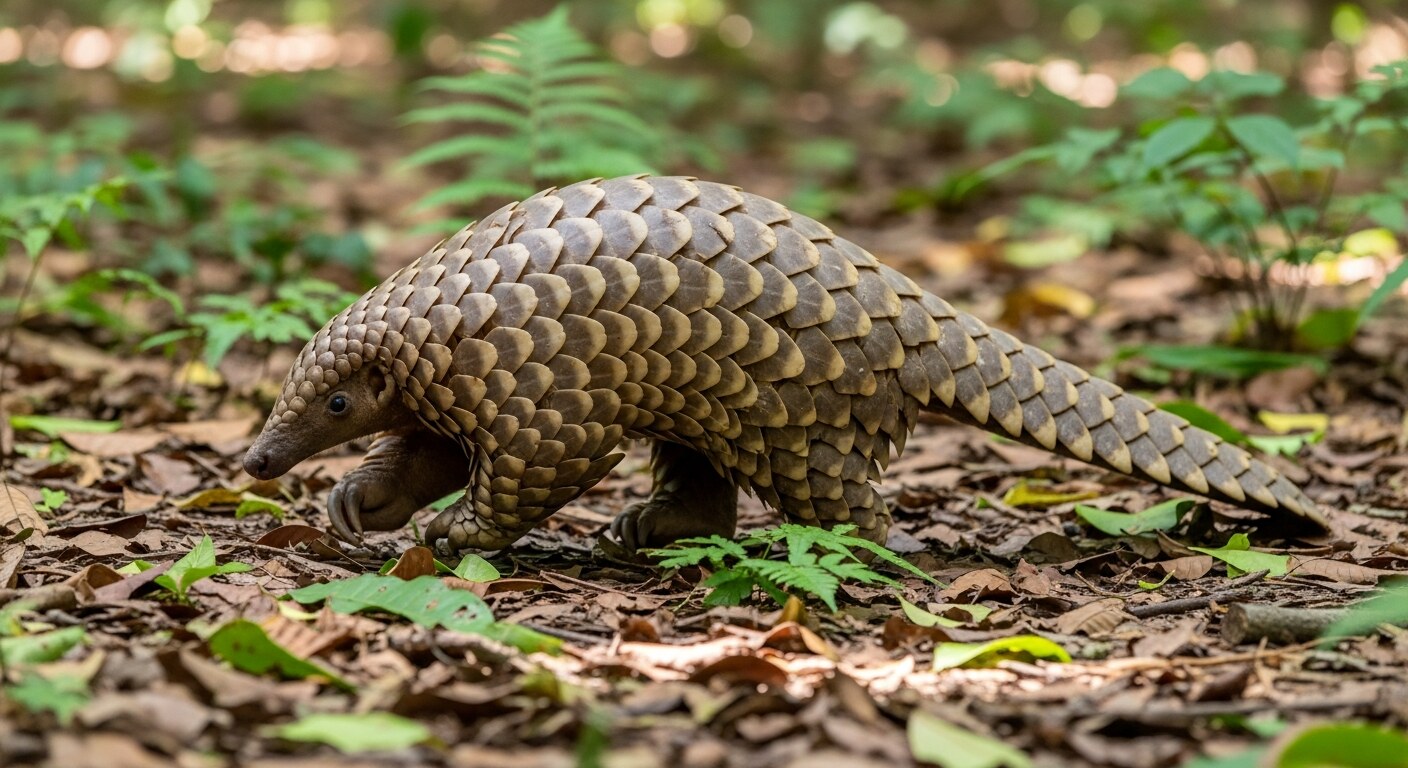
A pangolin recovering after seizure from the illegal wildlife trade

In brief

Seized pangolins are assessed by specialist teams, stabilised in quiet quarantine, treated for stress or injury, and released only if they are healthy, wild-behaving and have safe habitat available.

Quiet

Low-stress care need

Ants

Specialist diet

Release

Goal when safe

CITES I

Trade ban

Guide 1

The First Hours After Seizure

A live pangolin seizure is a medical emergency. Pangolins may be dehydrated, injured, overheated, malnourished or close to stress collapse. Handlers must keep the animal quiet, reduce human contact and involve trained wildlife veterinarians quickly.

Guide 2

Why Pangolin Care Is Difficult

Pangolins are specialist feeders and highly stress-sensitive. Standard cages, frequent handling and unsuitable diets can kill them. Rehabilitation requires natural forage access, secure enclosures and staff who understand pangolin behaviour.

Guide 3

Release or Sanctuary

The best outcome is release into secure habitat after the pangolin is medically stable and behaving naturally. Animals with severe injuries or compromised survival ability may need longer care, but long-term captivity is difficult and never the preferred default.

Guide 4

First 48 Hours After Seizure

Confiscated pangolins need quiet, low-stress triage: hydration assessment, wound care, pneumonia screening and ant/termite feeding trials. Stress kills pangolins faster than many injuries — specialist handling matters immediately.

Guide 5

Release Versus Lifetime Care Decision

Healthy, wild-behaving pangolins with foraging ability should return to protected habitat quickly. Injured or habituated animals need rehabilitation timelines measured in weeks, not days. Partners document every decision for release suitability.

Guide 6

Why UK Donors Choose WARN — Transparent Partner Grants

WARN is a registered UK Community Interest Company (Company no. 17298990) and is not a charity, so it cannot claim Gift Aid. The donation case is transparent partner-led welfare where support reaches practical field needs. WARN states upfront that gifts fund WARN's 17-country partner network across South Asia, Southeast Asia, East Africa, Southern Africa and South America programmes through vetted local partners — not WARN-run sanctuaries. Every gift is receipted; give one-off at donate or monthly at monthly giving.

Source Notes

WARN uses named intergovernmental, conservation and animal-welfare sources for numeric claims. These notes summarise the source basis for this page.

CITES

All pangolin species are listed on Appendix I, banning commercial international trade.

IUCN Red List

All pangolin species are threatened by illegal trade and habitat pressure.

Wildlife rehabilitation practice

Low-stress specialist handling is central to pangolin seizure response.

What Happens to Seized Pangolins?: Frequently Asked Questions

Can seized pangolins be released?
Some can be released if they are healthy, wild-behaving and have a safe release site. Others need rehabilitation first.
Why do seized pangolins die?
Stress, dehydration, injury, unsuitable diets and delayed specialist care can all be fatal for pangolins.
Should pangolins be kept in sanctuaries?
Only when release is not safe. Pangolins are difficult to keep well in captivity, so rehabilitation and release are preferred where possible.
Can all seized pangolins be released?
No. Dehydration, wounds, habituation and inability to forage prevent release for many individuals. Each case is assessed individually.
Why can pangolins not stay in ordinary zoos?
They need specialist ant and termite diets and low-stress housing. Ordinary captivity quickly becomes fatal.
How can UK donors help seized pangolins?
Donate to pangolin appeal. Gifts fund triage equipment, transport and release monitoring through Malaysian and Indonesian partners.
What happens to pangolins that cannot be released?
Lifetime sanctuary care at specialist facilities — a last resort when medical or behavioural barriers prevent wild return.
Is WARN a registered charity?
World Animal Rescue Network (WARN) is World Animal Rescue Network CIC (Company number 17298990), a registered UK Community Interest Company — not a registered charity. See registration status for full legal identity.

Help Fund Frontline Rescue

World Animal Rescue Network CIC (Company no. 17298990) raises funds for established local partners. Your support helps build the rescue capacity these animals need.