Guide 1
Why Malaysia Matters for Pangolin Rescue
Malaysia sits between major wildlife source forests in Indonesia and demand markets across mainland Asia. Sunda pangolins are trafficked through road, airport and port routes, often alongside scales from African pangolin species. Rescue work therefore has two urgent needs: better interdiction before animals disappear into trade routes, and better rehabilitation capacity when live pangolins are seized.
Guide 2
What Happens After a Pangolin Is Seized?
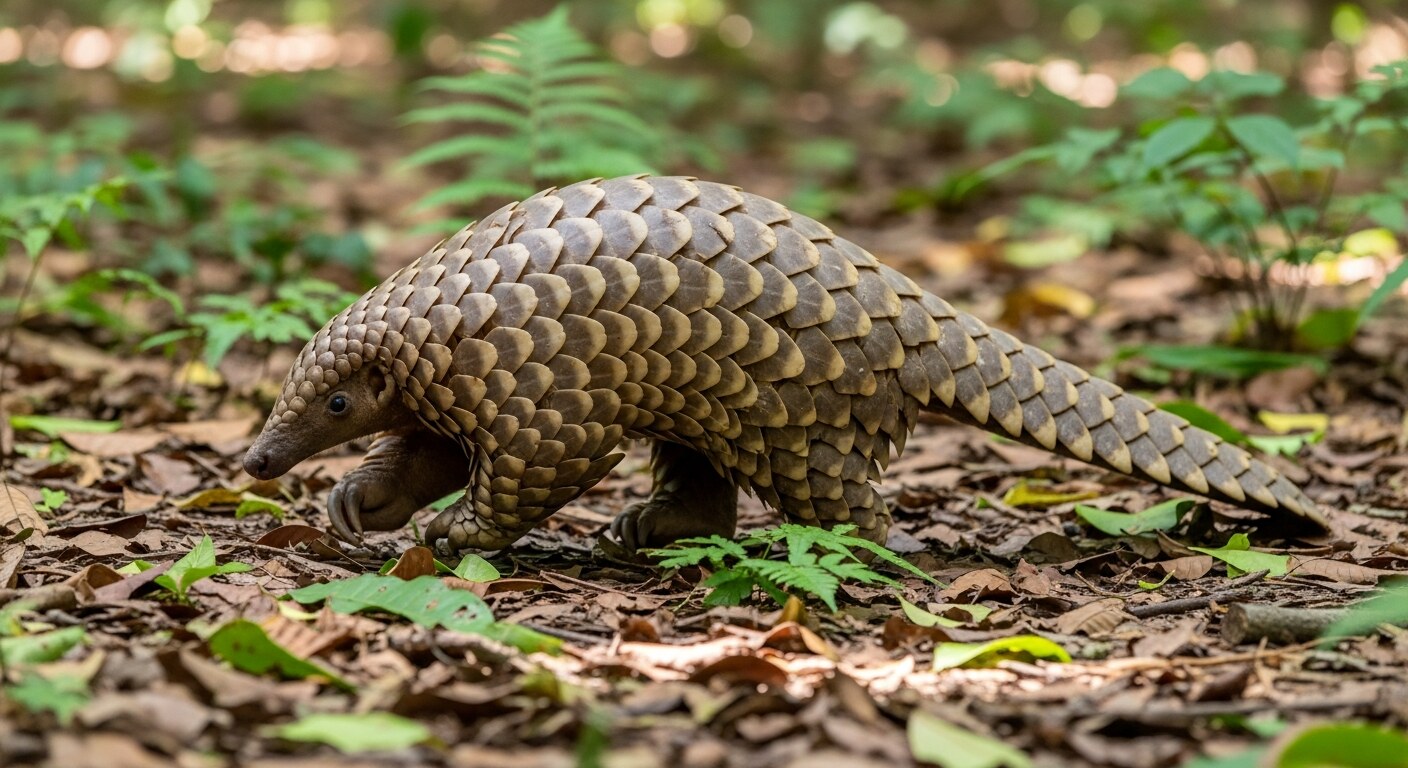
A confiscated pangolin needs quiet, low-stress triage. Rescue teams assess dehydration, wounds, pneumonia risk, body condition and whether the animal can still forage. Pangolins are specialist ant and termite feeders, so ordinary captivity quickly becomes dangerous. Release is only possible when the animal is medically stable, behaviourally wild and returned to secure habitat with post-release monitoring.
Guide 3
Why This Is a Long-Term Rescue Problem
Pangolins do not breed reliably in captivity and cannot be stockpiled in rescue centres. That makes each interception time-critical. The strongest rescue model combines customs detection, veterinary response, short rehabilitation, safe release and community intelligence to reduce future poaching pressure.
Guide 4
How UK Donors Can Fund Pangolin Rescue in Malaysia
UK supporters can donate to the pangolin appeal at pangolin appeal or symbolically adopt from £5/month at adopt a pangolin. WARN pools gifts into partner grants for seizure triage, specialist feeding and release monitoring — not individual animal ownership. Every gift is receipted in GBP.
Guide 5
Malaysia as a Trafficking Transit Hub
UNODC reporting repeatedly identifies Port Klang and Kuala Lumpur airports as wildlife-crime chokepoints. Pangolin scales from Africa and live Sunda pangolins from Indonesia pass through Malaysian routes. Funding customs detection and rapid veterinary response at seizure points prevents animals disappearing back into trade.
Guide 6
What Happens When Pangolins Cannot Be Released
Some seized pangolins are too injured, dehydrated or habituated for immediate release. Partner sanctuaries provide low-stress housing with ant and termite diets while veterinarians assess recovery timelines. Lifetime care is a last resort — the goal is always the shortest path back to protected forest.