Trafficking · Companion animal facts
What is the difference between captive-bred and wild-caught animals?
Traceability matters because “captive-bred” labels can be used honestly or as laundering cover.
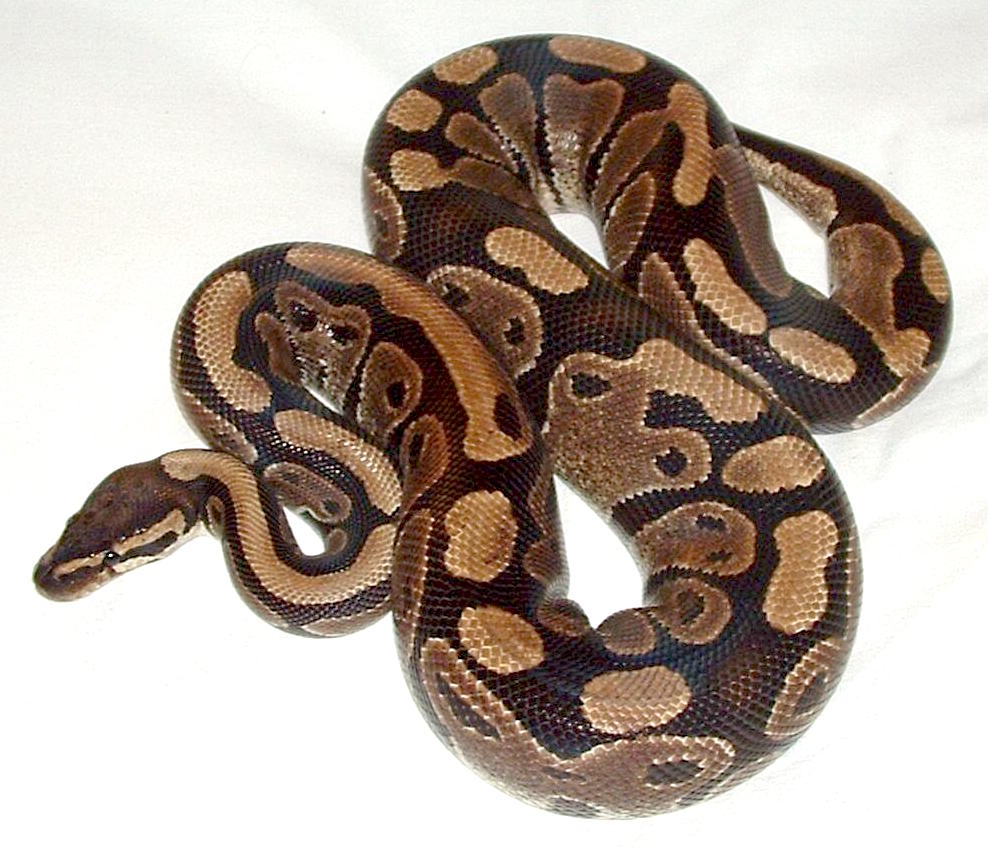
In brief
Captive-bred animals are born in controlled human care; wild-caught animals are taken from nature. Captive breeding can reduce wild pressure, but false “captive-bred” claims are used to launder trafficked wildlife.
By the WARN Research & Conservation TeamChecked against IUCN Red List & CITES sourcesLast updated
This answer explains a phrase people see in exotic pet listings and wildlife trade documents, then links it to the welfare and conservation risks behind the words.
Quick facts
| Captive-bred | Born in human care from managed parent stock |
|---|---|
| Wild-caught | Removed from natural habitat |
| Risk | False paperwork can launder wild-caught animals |
| Buyer check | Ask for breeder identity, permits and traceable records |
Key takeaways
- Captive-bred means born in human care; wild-caught means removed from nature.
- False captive-bred paperwork can launder illegal animals.
- Wild-caught animals face high welfare and conservation risks.
- Documentation and traceability matter.
Why this question matters
The distinction affects welfare, legality and wild populations. It is one of the most important concepts in exotic pet searches.
The welfare-first answer
Captive breeding can reduce capture pressure only when breeding is legal, transparent and welfare-led. Wild capture creates stress, injury, disease risk and population loss.
What to do next
Treat vague provenance as a stop sign. If a seller cannot explain origin clearly, do not buy and consider reporting the listing.
What WARN does
WARN covers exotic pet and wildlife trade questions because consumer demand can drive capture, laundering and cruelty. Our role is to explain the welfare risk, direct readers away from harmful purchases and link to rescue and anti-trafficking appeals.
Frequently asked questions
Is captive-bred always legal?
Why do sellers lie about captive breeding?
Can wild-caught animals adapt to captivity?
Sources & references
Original WARN research and writing. This page is written to answer a specific search question while linking readers to deeper welfare, rescue and conservation guidance.