Trafficking
What is bushmeat?
Bushmeat is wild-animal meat hunted for food — unsustainable commercial hunting drives ape and antelope declines across tropical Africa and Amazonia.
In brief
Bushmeat is wild-animal meat hunted for subsistence or commercial sale — often in tropical Africa and Amazonia. Unsustainable hunting threatens apes, antelope and forest species and can spread zoonotic disease.
By the WARN Research & Conservation TeamChecked against IUCN Red List & CITES sourcesLast updated
Bushmeat means wild-animal meat hunted for subsistence or commercial sale, often in tropical Africa and Amazonia. Not all bushmeat hunting is illegal — context and species matter — but commercial scale hunting for urban markets drives population crashes. Snares and shotguns supply markets; endangered species appear despite legal protection. Alternative livelihoods and protein sources complement enforcement and community conservancies — long-term solutions alongside anti-poaching patrols.
5M+
Tonnes bushmeat harvested annually in Congo Basin (est.)
CR
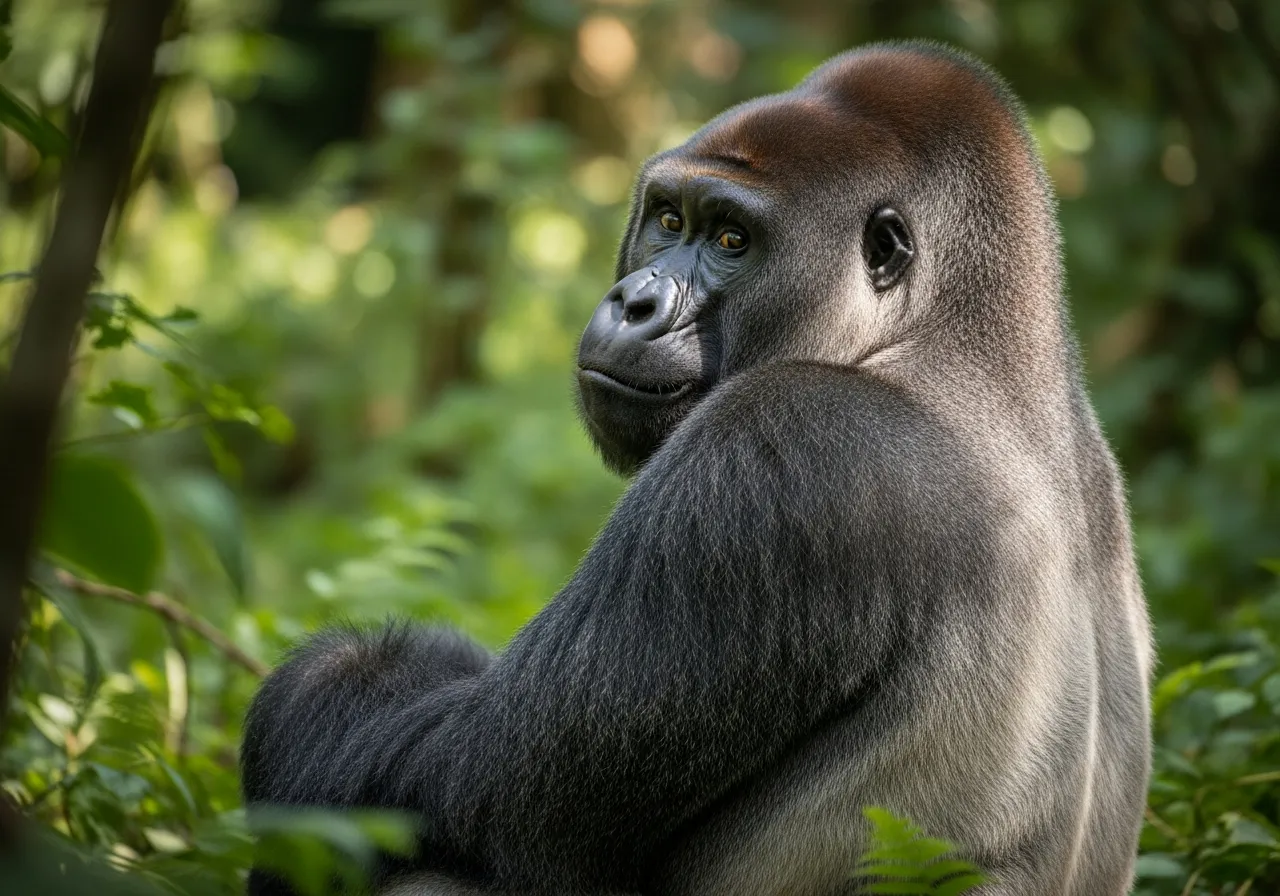
Western gorilla — bushmeat and disease threats
Snares
Primary hunting method in many African forests
Zoonotic
Risk — Ebola linked to bushmeat handling
Quick facts
| Definition | Wild-animal meat — hunted for subsistence or commercial sale |
|---|---|
| Regions | Central and West Africa, Amazon basin, parts of Southeast Asia |
| Methods | Snares, shotguns, dogs — snares most indiscriminate |
| Commercial vs subsistence | Urban market scale drives crashes; small-scale subsistence differs |
| Species at risk | Gorillas, chimpanzees, antelope, forest elephants |
| Disease | WHO notes zoonotic risk from handling wild meat — Ebola, other pathogens |
Key takeaways
- Bushmeat — wild-animal meat for subsistence or commercial sale.
- Commercial urban markets drive population crashes — not small-scale subsistence alone.
- Snares supply most volume — indiscriminate, killing apes and elephants as bycatch.
- Gorillas and chimps Critically Endangered — bushmeat hunting is a primary threat.
- WHO warns of zoonotic disease risk from handling wild meat.
- Solutions combine alternative livelihoods, patrols and market enforcement.
Subsistence vs commercial bushmeat
Small-scale hunting for household protein has occurred for millennia in forest communities — legally and culturally distinct from commercial supply chains feeding urban markets. Commercial bushmeat scales with logging roads, firearms and demand in cities: antelope, porcupine, monkey and ape meat sold in markets from Lagos to Kinshasa. When offtake exceeds reproduction, populations crash — forest elephants decline in Central Africa partly from bushmeat, not only ivory. Endangered gorillas and chimpanzees appear in trade despite legal protection. The IUCN bushmeat crisis working group distinguishes sustainable local use from commercial extraction threatening species survival.
Snares, guns and market supply chains
Snares supply most bushmeat volume in Central and West African forests — cheap, silent and indiscriminate. Shotguns take larger game; hunting with dogs drives species from refuge areas. Logging and mining roads penetrate forests, connecting hunters to traders who refrigerate or smoke meat for distant cities. Ebola outbreaks have been linked to bushmeat handling — WHO advises against consuming ape meat and warns of zoonotic transmission routes. Enforcement raids markets but poverty and protein scarcity sustain demand where alternatives are absent.
Impact on endangered species
Western lowland gorillas — Critically Endangered — lose individuals to bushmeat hunting alongside habitat loss and disease. Chimpanzees face parallel pressure. Forest antelope species that seed-dispersal depends on decline, altering forest structure. Empty-forest syndrome — forests structurally intact but stripped of medium and large mammals — appears across the Congo Basin. IUCN assessments cite bushmeat as a primary threat for multiple primate and ungulate species. Protecting apes requires both anti-snare patrols and market enforcement in cities far from hunting zones.
Solutions: livelihoods, protein and conservancies
Enforcement alone fails without alternative protein — poultry, fish farming — and income for communities near forests. Community conservancies employing hunters as scouts convert incentives: tourism revenue and employment replace poaching income where governance supports it. Protected-area buffer zones with agreed no-hunting rules reduce pressure. WARN documents bushmeat corridors in Tanzania and links donors to anti-snare patrol funding — immediate welfare for snare victims plus landscape protection supporting prey populations big cats and communities depend on.