Rescue & Welfare
What is snaring and why is it a crisis?
Wire snares kill bushmeat targets and non-target elephants, lions and giraffes alike — the most widespread poaching method in many African forests and savannas.
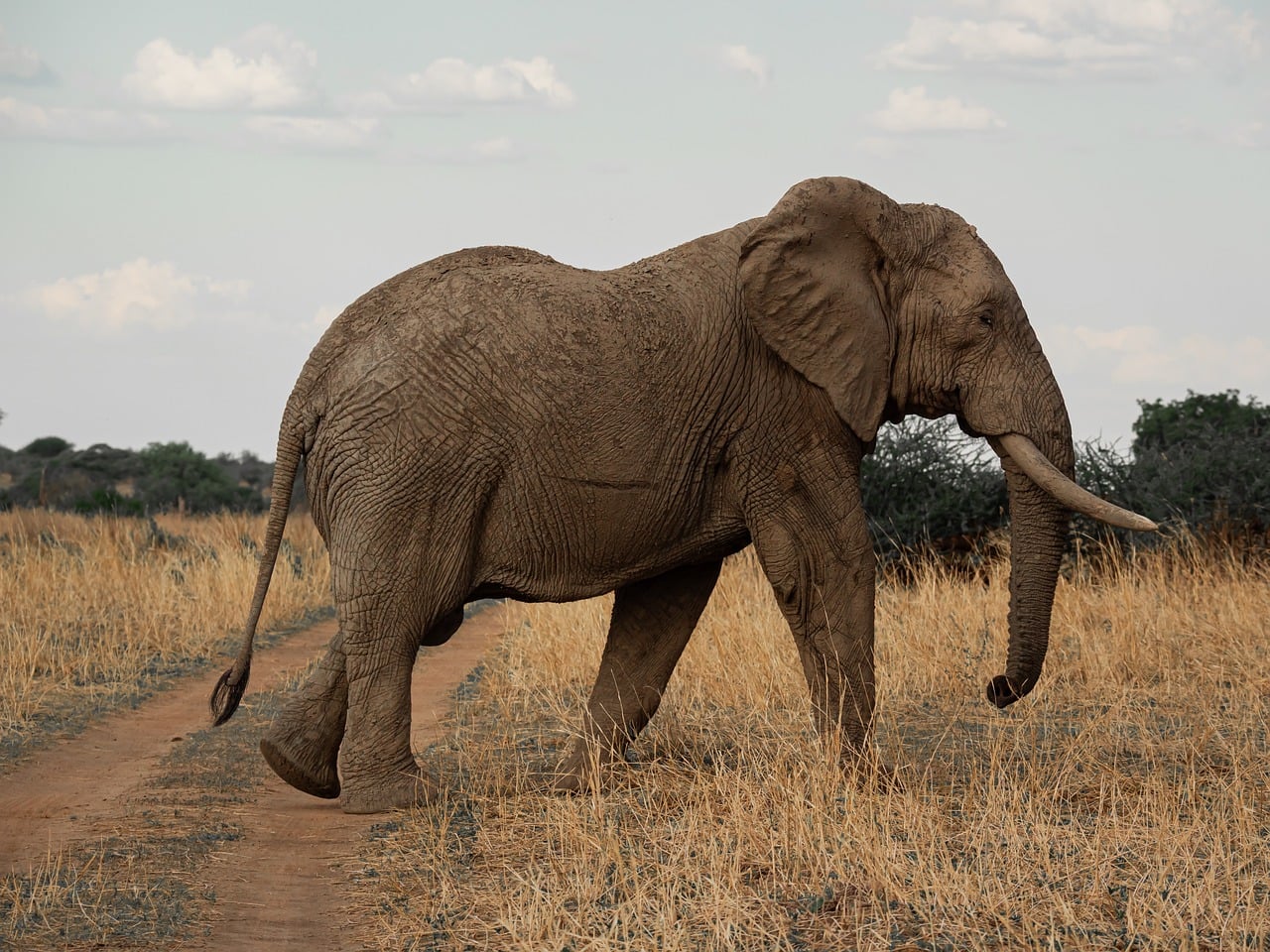
In brief
Snares are wire or cable loops set to catch bushmeat animals but often kill non-target species — elephants, lions, giraffes and rhinos — as bycatch. Snaring is the most widespread form of poaching in many African forests and savannas.
By the WARN Research & Conservation TeamChecked against IUCN Red List & CITES sourcesLast updated
Snares are wire or cable loops set to catch animals for bushmeat but indiscriminately kill any species that walks through them. Non-target elephants, lions, giraffes and rhinos die as bycatch; survivors escape with wire embedded in flesh. Anti-snare patrols remove thousands of active snares from protected areas annually; veterinary teams treat maimed survivors. WARN documents snare crises in Kenya, Cambodia and Tanzania and funds partner removal and treatment programmes.
1000s
Snares removed from single parks annually
Indiscriminate
Any species can be caught — not selective
Slow death
Wire tightens until animal suffocates or succumbs
3
WARN network countries with documented snare crises
Quick facts
| What snares are | Wire, cable or rope loops anchored to trees or stakes |
|---|---|
| Target | Antelope and bushmeat species — set by poachers for meat markets |
| Bycatch | Elephants, lions, giraffes, rhinos, leopards — indiscriminate victims |
| Death | Slow — wire cuts flesh, causes infection, starvation or strangulation |
| Scale | Most widespread poaching form in many Central and East African forests |
| Response | Anti-snare patrols, removal sweeps, veterinary treatment for survivors |
Key takeaways
- Snares are wire loops — cheap, indiscriminate and widespread in African and Asian parks.
- Elephants, lions, giraffes and rhinos die as bycatch — not just bushmeat targets.
- Death is slow — wire cuts flesh; infection and strangulation follow.
- Anti-snare patrols remove thousands of active snares from single parks yearly.
- Survivors need veterinary immobilisation, surgery and long rehabilitation.
- WARN funds partner patrol and treatment programmes in Kenya, Cambodia and Tanzania.
How snares work and why they spread
Snares are cheap, easy to make from bicycle brake cable, wire or nylon rope and require no gun license. Poachers set loops on animal trails; when an animal walks through, the noose tightens on a leg, neck or torso. Struggling tightens the wire further. Death may take days from infection, dehydration or strangulation. In African forests and savanna-forest mosaics, snaring supplies urban bushmeat markets — not subsistence alone. Commercial scale drives setting thousands of snares across protected areas. Cambodian and Kenyan parks report removing thousands annually; many more remain undetected.
The bycatch crisis
Snares do not discriminate. Elephants lose trunks or feet to wire; lions and leopards lose legs; giraffes strangle. IUCN and park authority reports document iconic species maimed or killed unintentionally. A single snare line can destroy a breeding-age lion or amputate an elephant calf’s trunk — injuries incompatible with survival in the wild even after rescue. Veterinary teams perform field amputations and long rehabilitation when animals are found in time. Many are not. Snaring is arguably the most indiscriminate form of poaching because the trapper cannot control what enters the loop.
Anti-snare patrols and removal
Rangers and community scouts conduct systematic snare sweeps — walking transects, cutting wire, logging GPS coordinates and destroying camps. Repeat patrols are essential because poachers reset quickly. Detection dogs and camera traps supplement foot patrols. Success requires funding ranger salaries, equipment and legal follow-through on arrests. Cambodia’s Eastern Plains and Kenya’s Tsavo landscape appear repeatedly in snare crisis reporting. WARN funds partner patrol support and veterinary treatment for snare victims — immobilisation drugs, surgery and post-operative care for elephants and big cats when survivors are found.
Long-term solutions beyond removal
Snare removal treats symptoms; reducing demand for bushmeat and providing alternative protein and livelihoods addresses drivers. Community conservancies that employ ex-poachers as scouts convert local incentives. Enforcement prosecution must follow seizure — wire alone is evidence. Landscape-level planning connects anti-snare patrols with bushmeat market raids in cities. Donors funding patrol days and veterinary kits enable immediate animal welfare outcomes while policy work continues on demand reduction — complementary strategies WARN documents across East African and Southeast Asian partner programmes.
What WARN does
WARN funds anti-snare patrol support and veterinary treatment for snare victims through partners in Kenya, Cambodia and Tanzania — ranger sweeps, immobilisation drugs and surgery for elephants and big cats when survivors are found in time.