Rescue & Welfare
How many stray dogs are there in the world?
The WHO estimates roughly 300 million unowned dogs live on streets worldwide — and culling does not control their numbers or rabies.
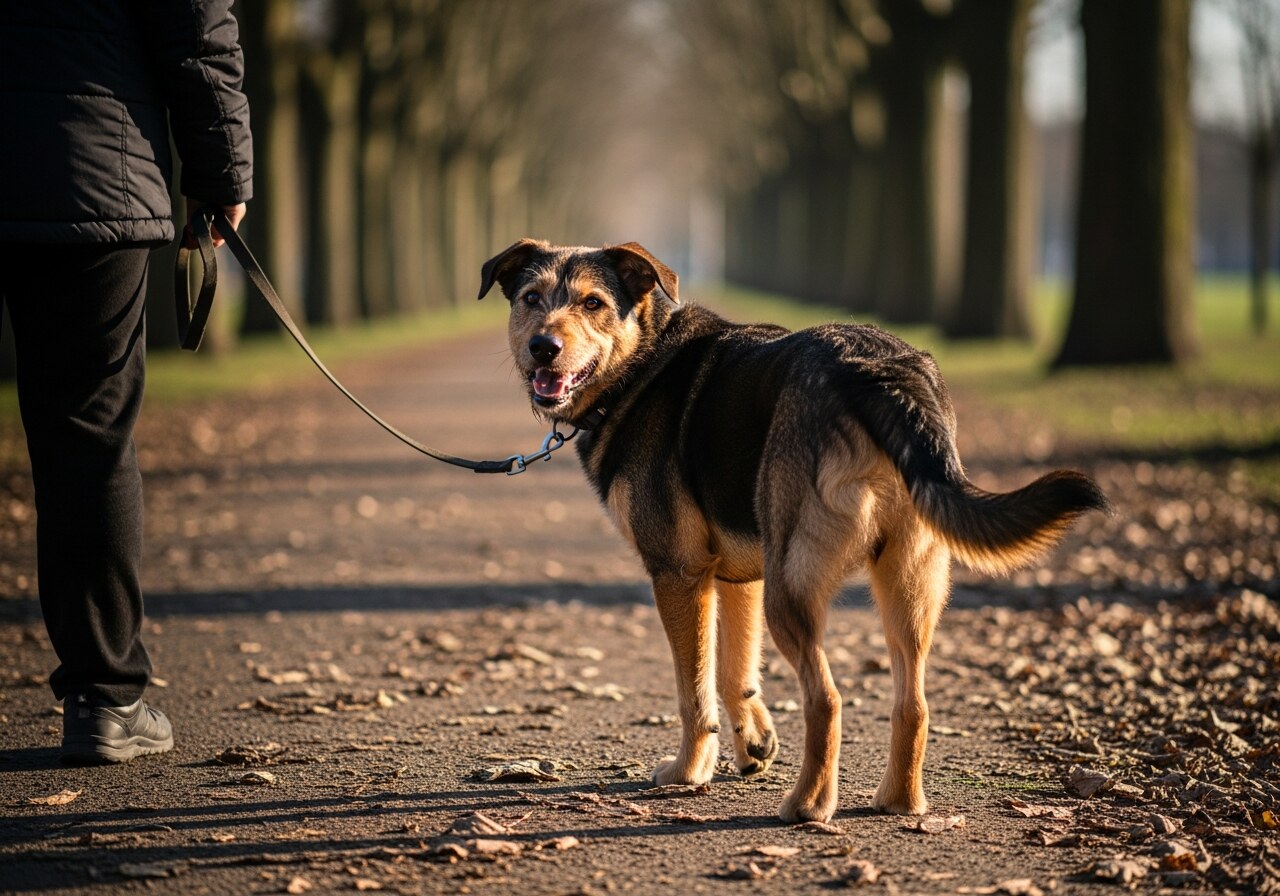
In brief
The World Health Organization estimates roughly 300 million unowned dogs live on streets worldwide. Most rabies deaths in humans come from dog bites in countries with large free-roaming populations.
By the WARN Research & Conservation TeamChecked against IUCN Red List & CITES sourcesLast updated
Free-roaming dogs are not a single breed but community animals in urban and rural areas lacking consistent veterinary access. The World Health Organization links most human rabies deaths to dog bites in countries with large street-dog populations. Mass culling fails to reduce numbers sustainably and does not break rabies transmission — WHO guidance endorses Capture–Neuter–Vaccinate–Return (CNVR) instead. WARN funds partner CNVR programmes in Pakistan, Southeast Asia and East Africa.
~300M
Unowned dogs worldwide (WHO estimate)
59K
Human rabies deaths annually (WHO)
99%
Human rabies from dog bites in endemic countries
70%
Dog vaccination coverage to break rabies cycle
Quick facts
| Global estimate | Roughly 300 million street dogs — WHO and WOAH cite similar orders of magnitude |
|---|---|
| Species | Canis lupus familiaris — same species as pet dogs, mostly mixed ancestry |
| Rabies link | Dogs cause up to 99% of human rabies deaths in endemic countries — WHO |
| Culling | WHO states culling does not control rabies or sustainably reduce populations |
| Alternative | CNVR — sterilise, vaccinate and return to territory |
| Hotspots | South Asia, Southeast Asia, East Africa, Latin America |
Key takeaways
- WHO estimates ~300 million unowned street dogs worldwide.
- Up to 99% of human rabies deaths come from dog bites in endemic countries.
- Mass culling does not sustainably reduce numbers or control rabies — WHO.
- CNVR builds herd immunity and reduces reproduction over 3–5 years.
- Street dogs are domestic dogs — mostly mixed community animals, not a wild species.
- In-country sterilisation at scale outperforms individual overseas adoption for impact.
Why street dog numbers stay high
Street dogs survive because humans provide food — deliberately or through waste. One female can produce two litters a year from six to twelve months of age. Removing dogs without sterilisation creates a vacuum: survivors breed faster and new dogs move into cleared territory within months. Municipal culling campaigns look effective briefly but populations rebound. The World Health Organization and WOAH have long advised that indiscriminate culling is not an effective rabies-control or population-management tool. Sustainable reduction requires reducing reproduction and building herd immunity against rabies through vaccination at scale — not repeated killing.
Rabies and public health
Rabies kills roughly 59,000 people annually — overwhelmingly in Asia and Africa. Dogs transmit up to 99% of human cases in endemic countries. Vaccinating at least 70% of a dog population, repeated annually, builds herd immunity that interrupts transmission to humans. Culling without vaccination never reaches that threshold because animals are removed rather than immunised. Post-bite human vaccination remains essential but preventing dog infection at source is more cost-effective. Karachi and other WARN network cities report tens of thousands of dog bites yearly — CNVR addresses both welfare and epidemiology when run over multiple years.
What street dogs actually are
Street dogs — pariah dogs, village dogs, community dogs — are domestic dogs living without individual owners. Most are mixed ancestry adapted to local conditions: heat tolerance, scavenging skill, disease resistance. They are not feral wolves; they evolved alongside human settlements over millennia. Many have semi-owners who feed them without assuming veterinary responsibility. Understanding this relationship matters for programme design: returning sterilised dogs to their territory maintains social structure and avoids fights with incoming unsterilised animals. Removing dogs to Western shelters is rarely the highest-impact use of donor money compared with in-country CNVR at scale.
Evidence-based alternatives
CNVR — Catch, Neuter, Vaccinate, Return — humanely captures dogs, surgically sterilises them, rabies-vaccinates them, marks them for monitoring and returns them to origin. Jaipur, Colombo and other cities published population declines and reduced rabies incidence after multi-year programmes. Success requires repeat sessions, community buy-in, veterinary capacity and municipal cooperation — not one-off campaigns. WARN targets directing at least 80% of unrestricted gifts to programme delivery through vetted partners. Donors funding CNVR sessions — staff, drugs, surgical kits, post-operative care — address root causes culling never touches.
What WARN does
WARN funds partner CNVR programmes in Pakistan, Southeast Asia and East Africa — session costs covering staff, surgical kits, rabies vaccines and post-operative care through appeals such as Karachi street dogs.