Indonesia · Community cat welfare

Community Cats in Indonesia

How community cat welfare in Indonesia works through sterilisation, vaccination, emergency treatment and local education.

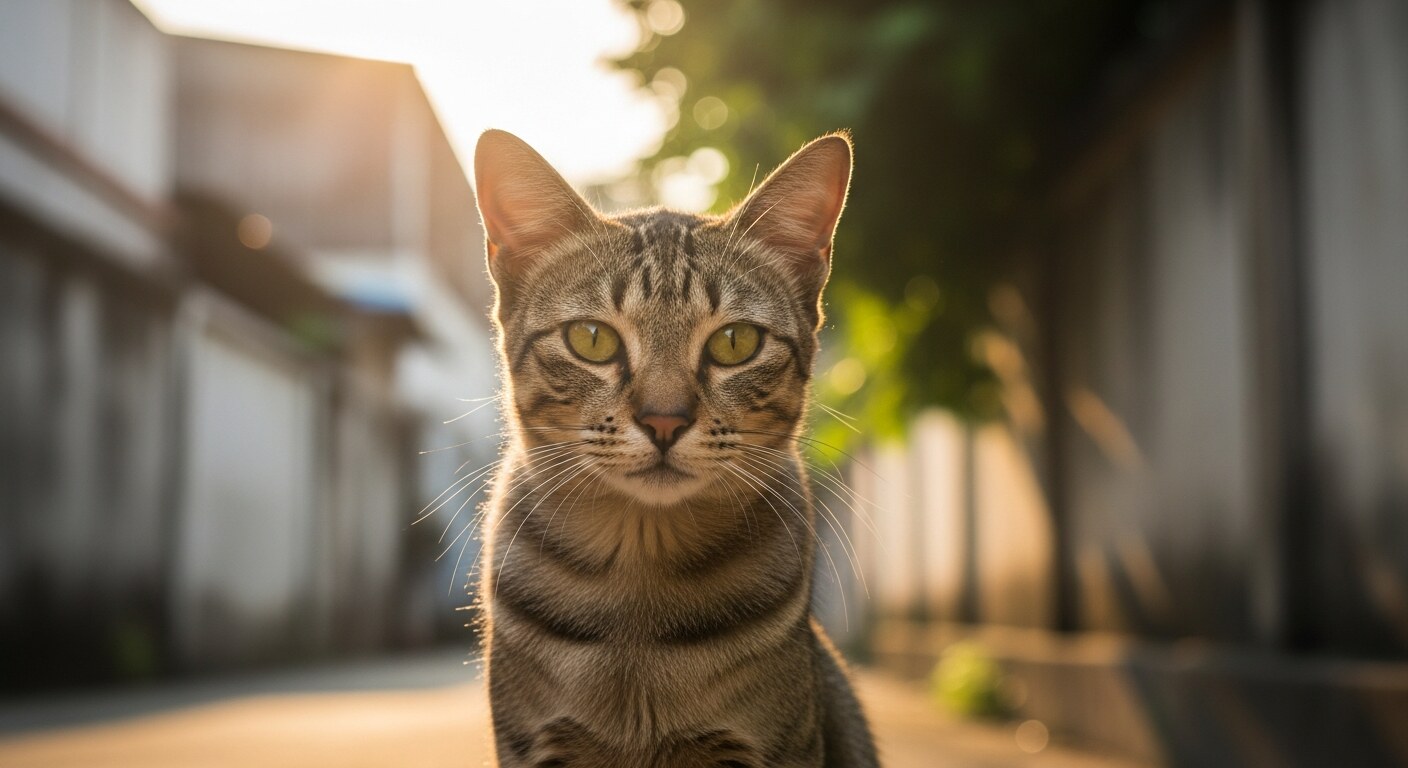
Community cat in Indonesia supported by a humane local welfare programme

In brief

Community cats in Indonesia need humane sterilisation, vaccination, emergency treatment and local education so colonies become healthier and future suffering is reduced.

TNR

Humane control option

Spay

Prevents future litters

Markets

Common cat locations

Vet care

Capacity gap

Guide 1

Why Community Cats Need Support

Community cats often live close to people in markets, alleys, temples, ports and housing areas. Without sterilisation and treatment, kittens are born into disease, traffic risk and food insecurity. Local rescuers often cover costs personally.

Guide 2

What Good Cat Welfare Looks Like

A humane programme sterilises and vaccinates healthy cats, treats injuries and illness, returns stable cats to safe territories and places vulnerable kittens or non-releasable cats into foster or shelter care.

Guide 3

Why Indonesia Is a Good Search Gap

Large charities rarely target specific international community cat queries. WARN can answer UK donor questions directly and connect cat welfare to its wider Indonesia programme and local partner model.

Guide 4

Indonesia's Community Cat Challenge

Indonesia's cities and islands hold large free-roaming cat populations. Community TNVR — trap, neuter, vaccinate, return — stabilises colonies humanely while reducing kitten births and disease spread. WARN funds Indonesian partners for surgical days, rabies vaccines and local caregiver education.

Guide 5

Link to Broader Indonesia Programmes

Community cat work connects to orangutan habitat protection, wildlife trafficking response and dog-cat meat trade rescue across Indonesia — all within WARN's largest network country. See Indonesia for full programme context.

Guide 6

Why UK Donors Choose WARN — Transparent Partner Grants

WARN is a registered UK Community Interest Company (Company no. 17298990) and is not a charity, so it cannot claim Gift Aid. The donation case is transparent partner-led welfare where support reaches practical field needs. WARN states upfront that gifts fund WARN's 17-country partner network across South Asia, Southeast Asia, East Africa, Southern Africa and South America programmes through vetted local partners — not WARN-run sanctuaries. Every gift is receipted; give one-off at donate or monthly at monthly giving.

Source Notes

WARN uses named intergovernmental, conservation and animal-welfare sources for numeric claims. These notes summarise the source basis for this page.

International companion animal welfare guidance

Sterilisation and vaccination are core parts of humane community cat management.

Local rescue practice

Community cat welfare depends on repeatable veterinary access and local caregiver support.

WHO rabies guidance

Vaccination and responsible animal population management support public health.

Community Cats in Indonesia: Frequently Asked Questions

What are community cats?
Community cats are unowned or semi-owned cats living around people, often fed or tolerated locally but without full household care.
How can community cats be helped humanely?
Sterilisation, vaccination, emergency care and community education reduce suffering and prevent future litters.
Can UK donors help cats in Indonesia?
Yes. UK donors can support partner-led veterinary and community cat welfare work abroad through WARN.
What is community cat TNVR in Indonesia?
Local caregivers trap free-roaming cats, partners neuter and vaccinate them, then cats return to their colony territory — stabilising populations humanely.
Can UK donors fund Indonesian community cats?
Yes — donate at donate or dog and cat meat trade appeal for community cat and meat-trade rescue programmes.
Does WARN run cat shelters in Indonesia?
No. WARN makes grants to established Indonesian welfare partners.
How does this connect to wildlife work?
Free-roaming cats near forest edges can affect wildlife — humane colony management is part of broader Indonesia welfare strategy.
Is WARN a registered charity?
World Animal Rescue Network (WARN) is World Animal Rescue Network CIC (Company number 17298990), a registered UK Community Interest Company — not a registered charity. See registration status for full legal identity.

Help Fund Frontline Rescue

World Animal Rescue Network CIC (Company no. 17298990) raises funds for established local partners. Your support helps build the rescue capacity these animals need.