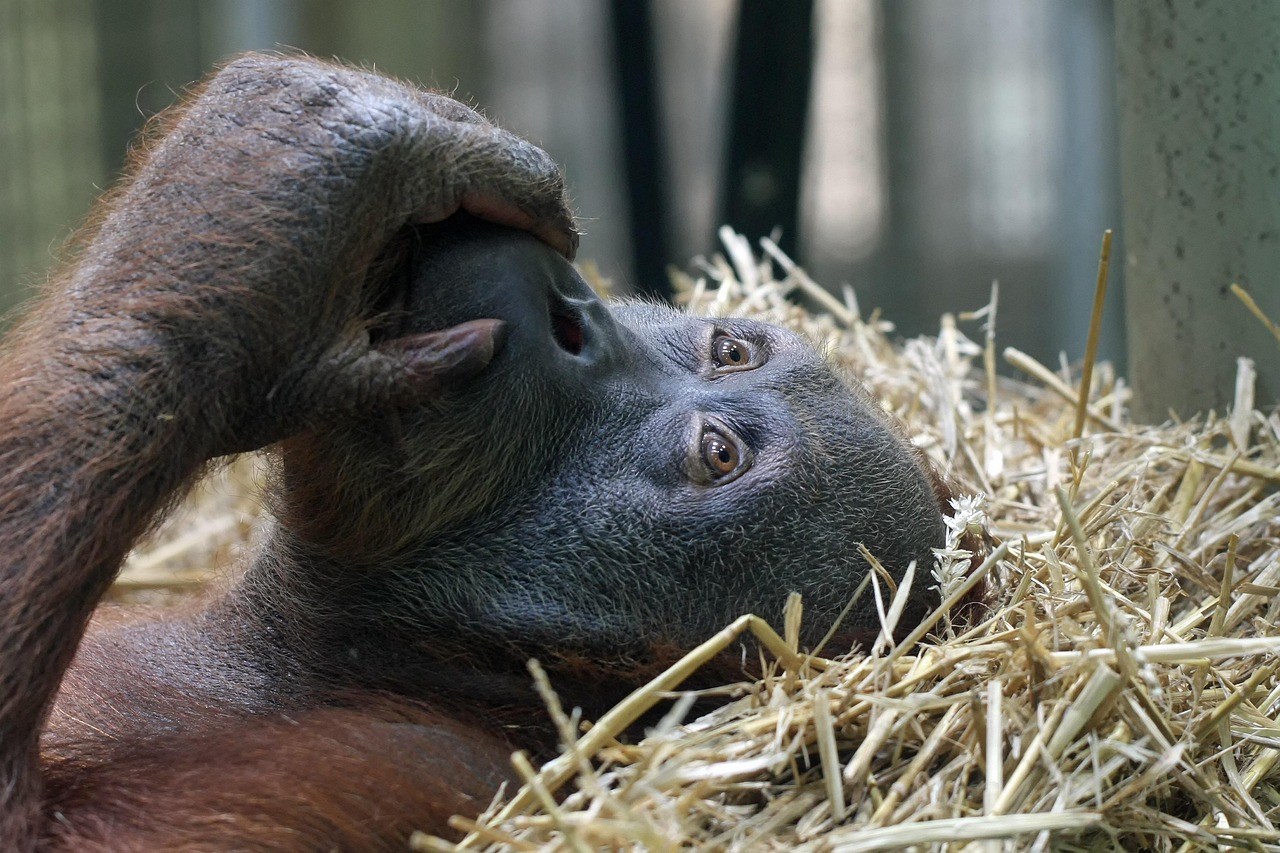
Guide 1
Why Orangutans Become Stranded
Orangutans depend on connected lowland rainforest. When forest is cleared for plantations, roads or mining, individuals can become trapped in fragments without enough food. Mothers may be killed and infants captured for the pet trade. Rescue teams are often called only when an animal is already hungry, injured or close to people.
Guide 2
What Rescue and Rehabilitation Requires
Adult orangutans may be sedated, checked by veterinarians and moved to safer habitat if release is possible. Orphaned infants need years of care, forest school, climbing practice, foraging training and pre-release assessment before any return to the wild.
Guide 3
Why Borneo Is a High-Intent Search Opportunity
People searching for orangutan rescue in Borneo usually want practical information and a way to help. WARN can answer the rescue question directly, then point supporters to a specific appeal and related country pages.
Guide 4
Adopt an Orangutan from the UK — What It Actually Means
Symbolic orangutan adoption from £5/month at adopt an orangutan is not ownership of an individual ape. WARN pools adoption income into the orangutan appeal at orangutan appeal for partner grants covering sedation rescue, transport, milk formula and forest-school rehabilitation in Indonesian and Malaysian Borneo.
Guide 5
Palm Oil and Orangutan Displacement
When lowland forest is cleared for palm oil, orangutans become stranded in fragments too small to support them. Rescue means sedation, veterinary assessment and years of rehabilitation before any soft release — work Kalimantan and Sabah partners scale with predictable grant income.
Guide 6
What Your Gift Buys on the Ground
Roughly £15–25 funds one street dog through catch, neuter, rabies vaccination and return in network countries. £100 supports a small clinic day. £500 helps stock quarantine after a trafficking seizure. Monthly gifts let partners plan multi-year CNVR instead of crisis-only response.